 Laser Marking +
![[Translate to English:]](/fileadmin/_processed_/6/8/csm_M2000-shad-long-smaller_721f1235f0.jpg "[Translate to English:]")
![[Translate to English:]](/fileadmin/_processed_/3/f/csm_Titus-shad-long-smaller_1553d43f5f.jpg "[Translate to English:]")
![[Translate to English:]](/fileadmin/_processed_/6/4/csm_page-teaser-cases-1500x3000pxl_01_5d7916f355.jpg "[Translate to English:]")
![[Translate to English:]](/fileadmin/_processed_/7/f/csm_page-teaser-blog-1500x3000pxl_d26096fc1e.jpg "[Translate to English:]")
![[Translate to English:]](/fileadmin/_processed_/8/1/csm_page-teaser-service-1500x3000pxl_01_3be9f7cec6.jpg "[Translate to English:]")
![[Translate to English:]](/fileadmin/_processed_/c/1/csm_page-teaser-karriere-1500x3000pxl_f91a4c1099.jpg "[Translate to English:]")
Processes Color Change/Frothing

Color Change/Frothing
Plastics absorb laser light. The color pigments (from additives, colors etc.) and carbon in plastics are destroyed and vaporize as a result of localized heating. A color change becomes visible and the frothing of the material can be felt.
The carbon in the plastic oxidizes to form CO2, which comes out of the plastic and forms a layer of froth.
The discoloration is either lighter or darker depending on the composition. Dark plastics discolor to white at the places to be marked, while light plastics discolor to gray or black (see carbonization).
Discoloration and frothing appear exclusively in case of plastics.
Suitable laser systems:
Other Laser Marking Processes
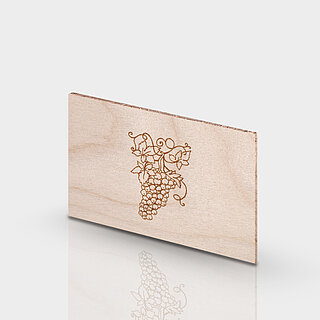
Carbonization
Laser carbonization always results in a darkening of the marked material.
See Details
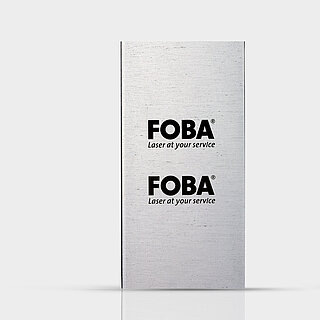
Laser Annealing
An oxide layer is applied to ferrous metals and titanium by heating the material locally.
See Details
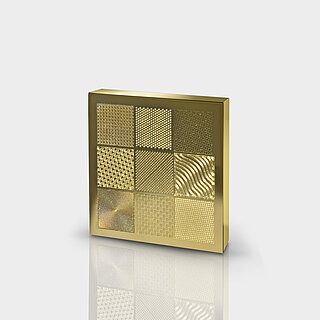
Laser Engraving
A depression is created in the material by material removal by means of laser radiation
See Details